

Industrial Solenoid Valves | Types, Applications & Guide | VINVAL.NET
Industrial Solenoid Valves – Types and Applications | VINVAL.NET
Overview of Solenoid Valves
Solenoid valves are essential control devices in modern industrial piping systems. Thanks to their fast opening and closing capabilities via electrical signals, solenoid valves are widely used in water, steam, compressed air systems, fire protection (FIRE FIGHTING), and automated production lines.
1. What is a Solenoid Valve?
A solenoid valve uses the electromagnetic force generated by a coil to control the open or closed state of fluid flow in a pipeline. When powered, the coil creates a magnetic field that moves the valve plunger, changing the valve’s operating state.
In industrial automation, solenoid valves function as actuators, allowing remote flow control, synchronized with control panels, PLCs, or sensors. Using solenoid valves reduces manual operations and increases process stability.
2. Structure and Working Principle
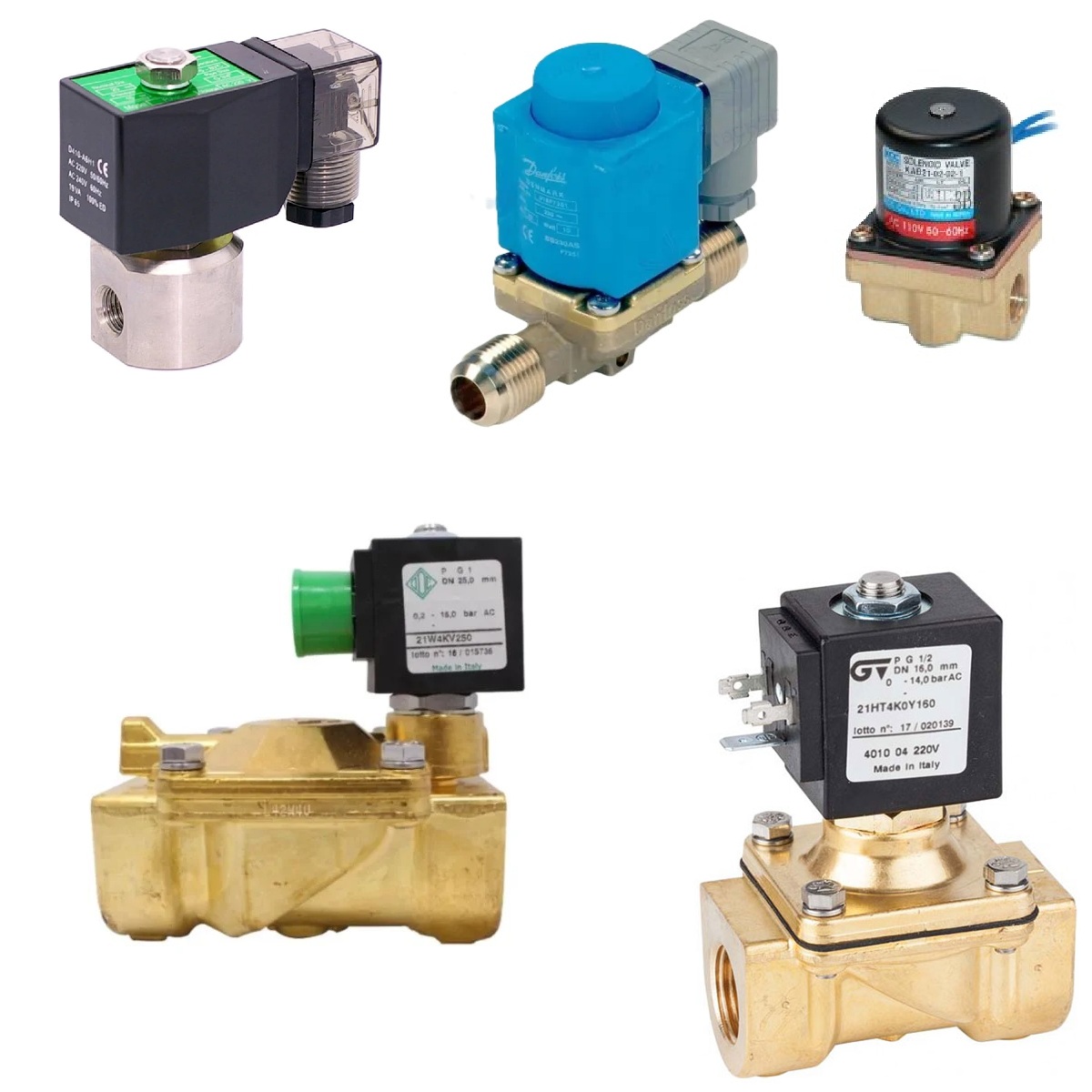
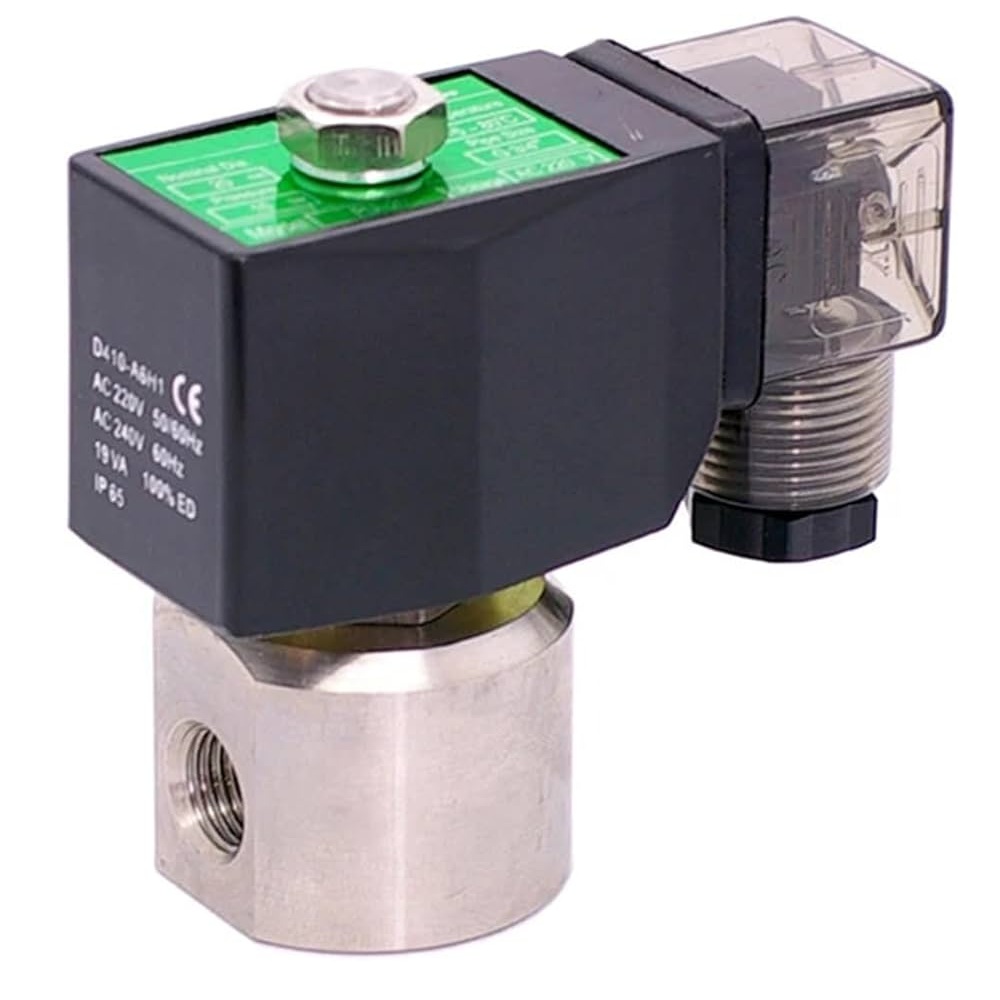
A standard industrial solenoid valve consists of:
- Valve body: Directly in contact with the medium, usually made of brass, stainless steel, or plastic.
- Coil: Generates a magnetic field when energized.
- Plunger (Valve core): Moves under the magnetic field to open or close the valve.
- Spring: Returns the valve to its default state when power is off.
- Sealing gasket: Prevents leakage of the medium.
When powered, the coil generates a magnetic field that pulls the plunger and changes the valve state. When the power is off, the spring pushes the plunger back to its original position. Choosing the correct operating principle ensures stable system performance with minimal issues.
3. Types of Solenoid Valves
3.1 By Operating State
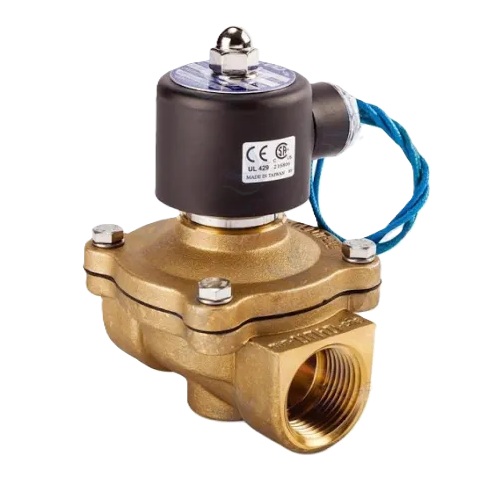
- Normally Closed (NC): Valve is closed when unpowered, opens when powered.
- Normally Open (NO): Valve is open when unpowered, closes when powered.
3.2 By Medium
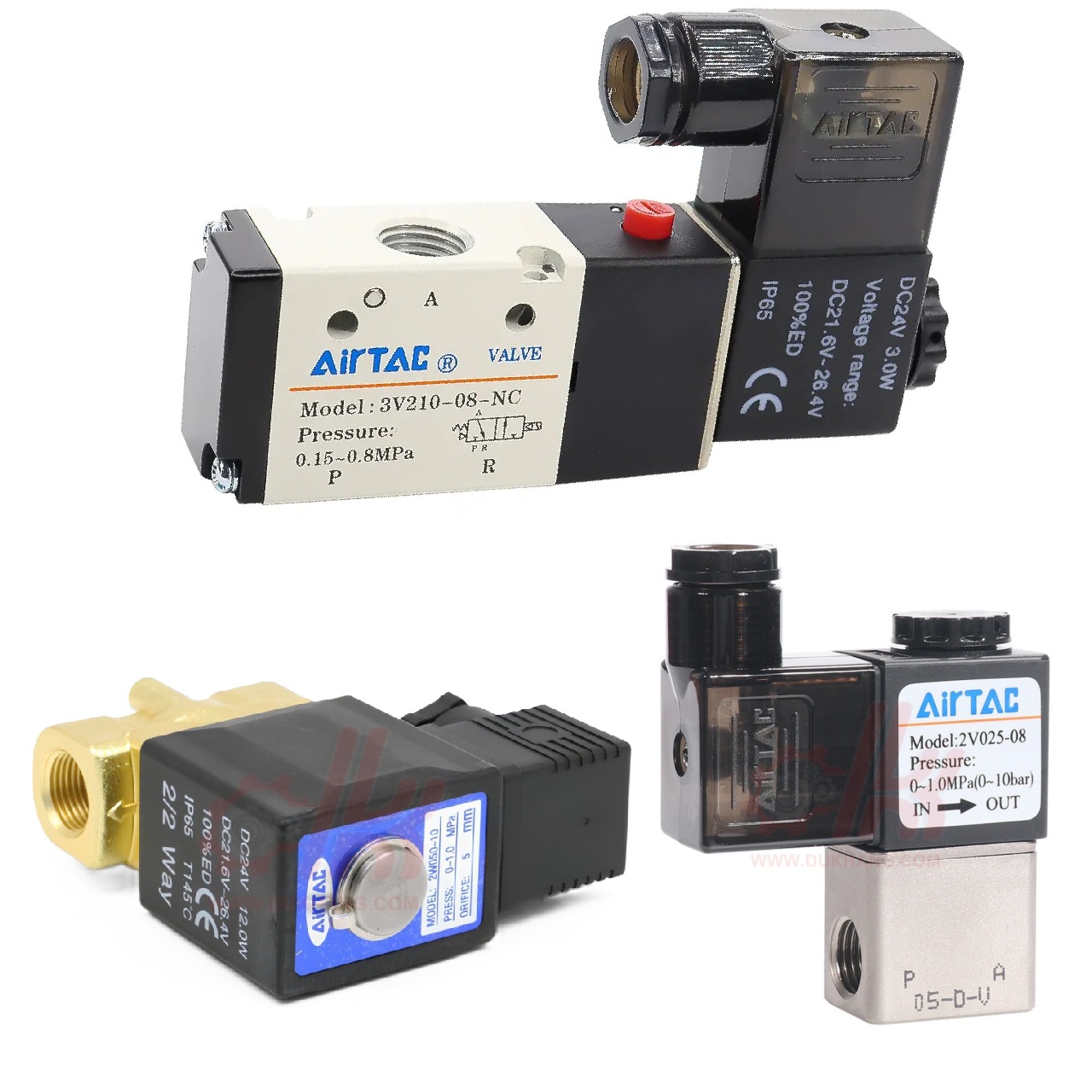
- Water valves: Water supply and drainage, water treatment.
- Steam valves: Steam systems, boilers.
- Pneumatic valves: Automated production lines.
- Oil/Chemical valves: Materials and gaskets suitable for the medium.
3.3 By Valve Body Material
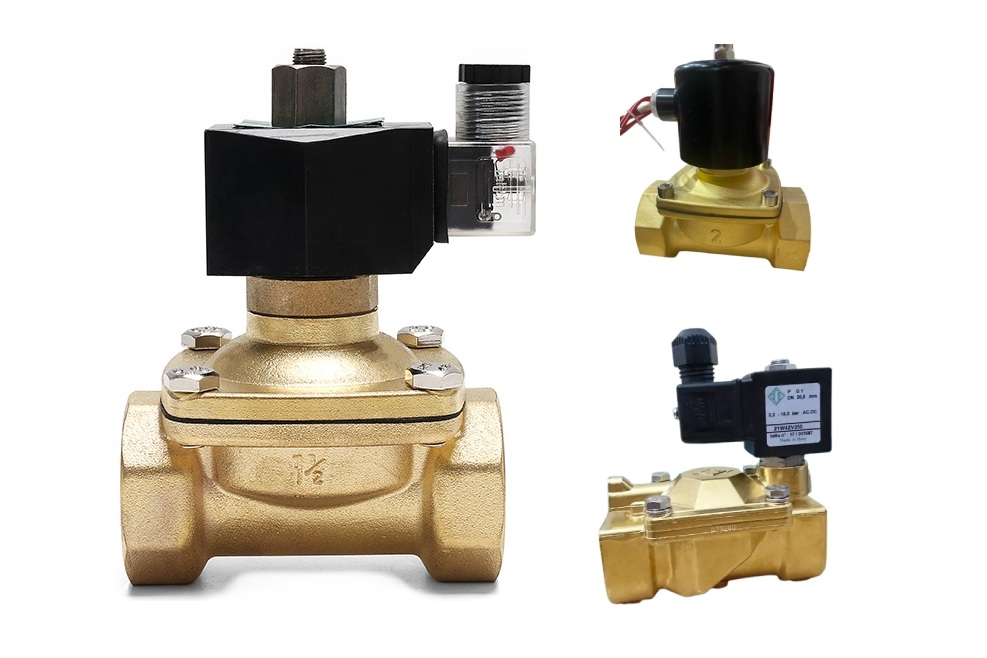
- Brass body: Water, air, medium pressure, and temperature.
- Stainless steel body: Heat-resistant, corrosion-resistant, suitable for steam and chemicals.
- Plastic body: Lightly corrosive medium, low pressure.
3.4 By Voltage
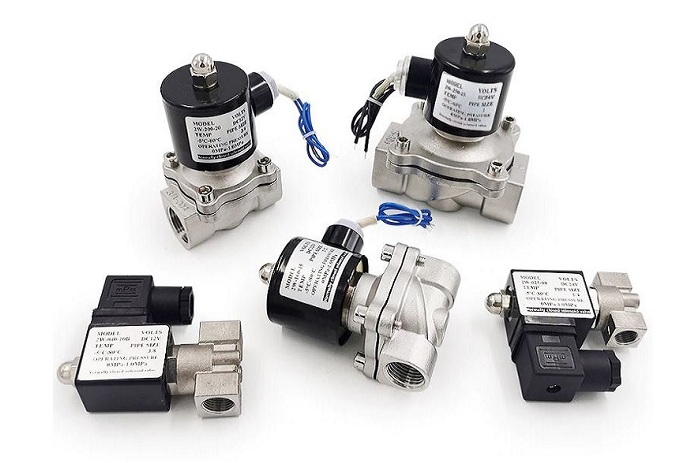
- 12V / 24V DC: Low-voltage systems, safe.
- 110V / 220V AC: Standard industrial systems.
3.5 By Connection Type
- Threaded: Small to medium pipelines.
- Flanged: High-pressure, large pipelines.
4. General Technical Specifications
Important specifications when selecting a valve:
- Size: DN8 – DN200
- Working pressure: Based on design and material
- Operating temperature: Critical for steam systems
- Connection standard: Threaded or flanged
- Coil protection rating (IP): Affects performance in dusty or humid environments
.jpg)
5. Common Applications
Solenoid valves are used in various fields:
- Industrial water supply and drainage systems
- Steam and boiler systems
- Automated pneumatic systems
- Automated production lines
- Fire protection and HVAC systems
6. Solenoid Valve Selection Guide
For stable and durable operation, consider:
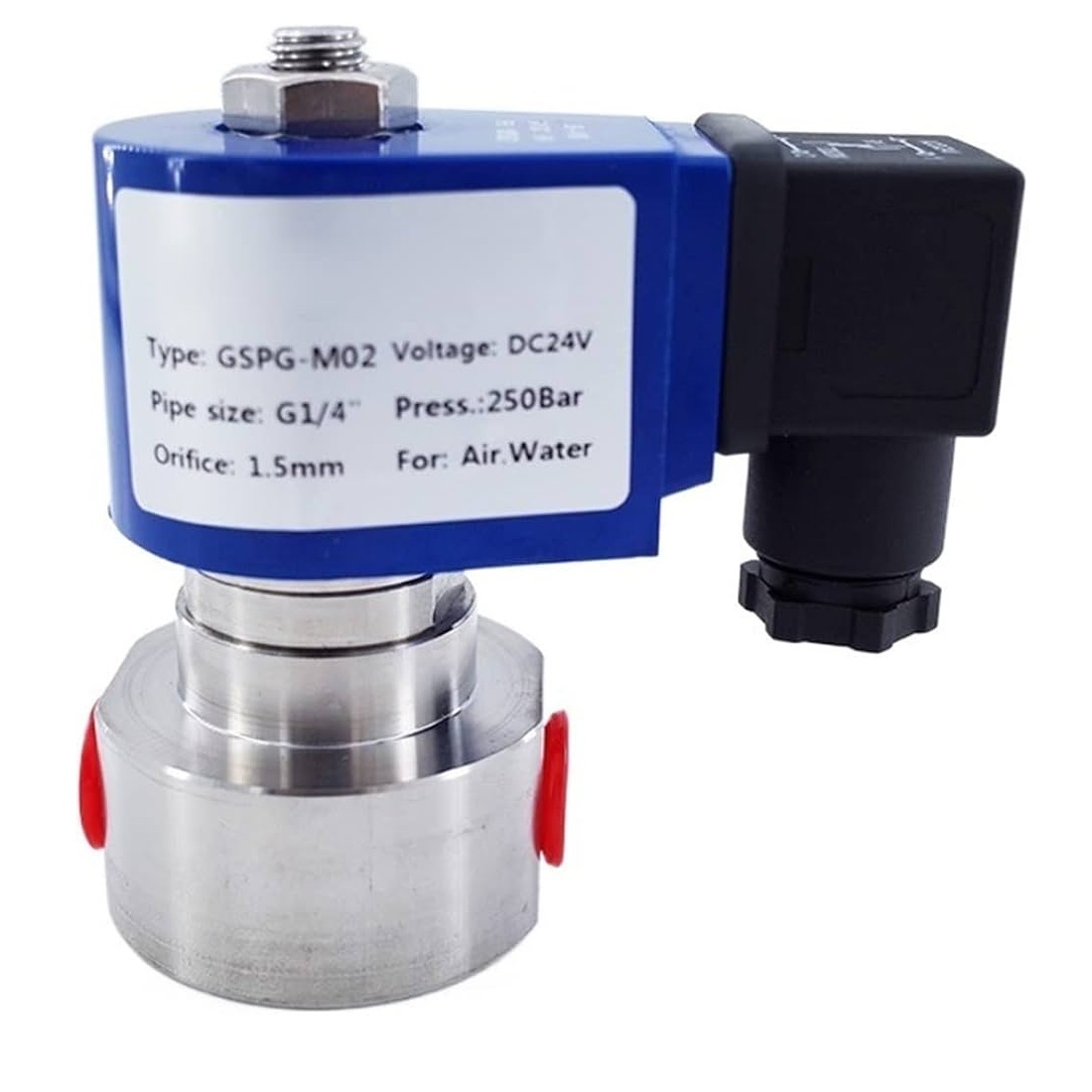
- Medium type: Water, steam, air, chemicals
- Pressure & temperature: Select valves suitable for actual conditions
- Voltage: Match the system’s power supply
- Frequency of operation: Affects coil lifespan
7. Popular Solenoid Valve Brands
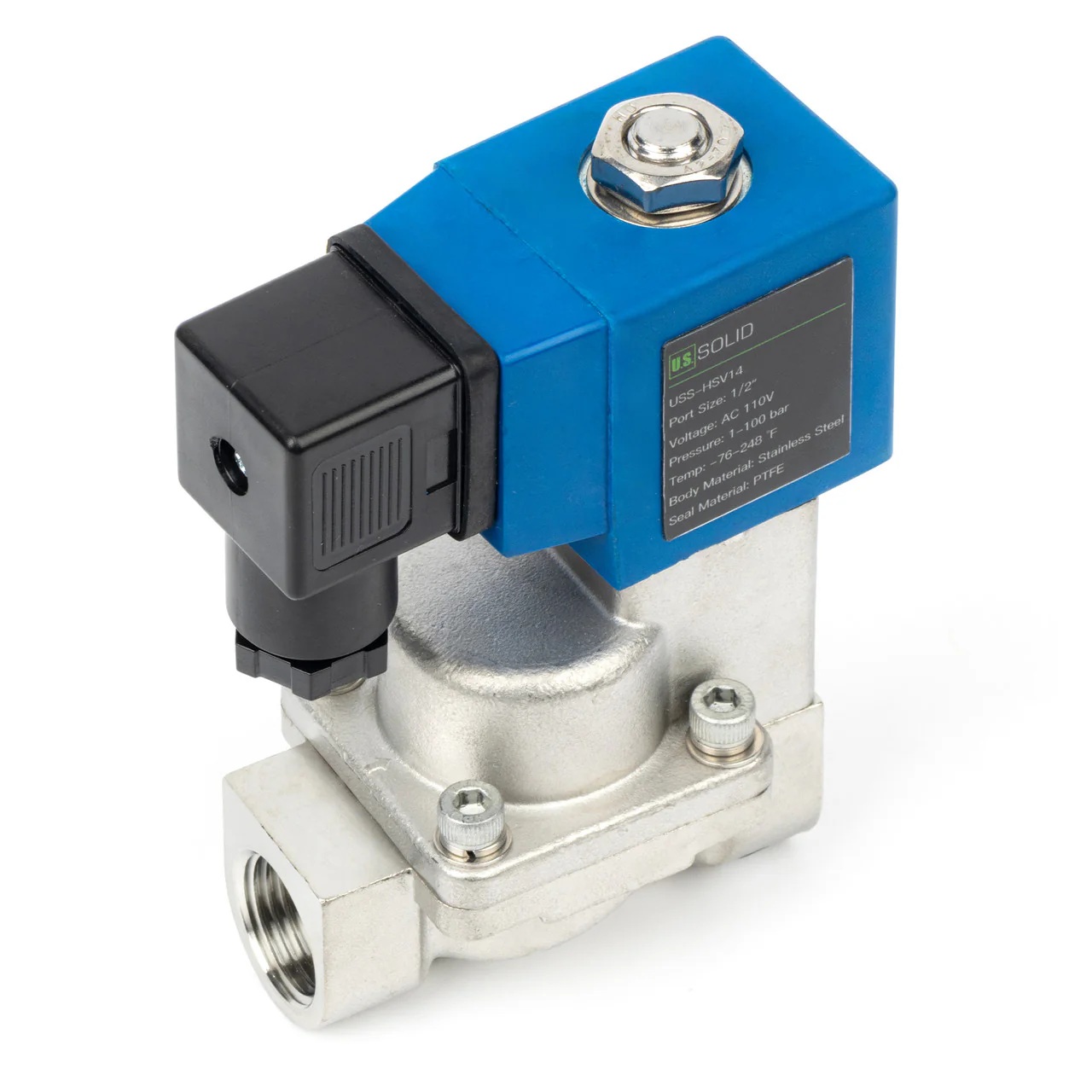
There are many industrial solenoid valve brands in the market, each with advantages in materials, product range, and technical standards. Users should refer to these to select valves compatible with their systems.
8. Frequently Asked Questions (FAQ)
- Can solenoid valves be used for steam?
Yes, but a specialized valve with heat-resistant materials and gaskets is required. - What is the difference between NC (Normally Closed) and NO (Normally Open)?
They differ in default state when unpowered, affecting safety considerations. - Can solenoid valves be used outdoors?
Yes, if the coil meets an appropriate IP rating and environmental protection measures are applied.

Juki DDL-8700B-7 Electronic Sewing Machine – High-Speed Single Needle, Genuine Japan
8,000,000 đ 8,900,000 đ

Juki DDL-8700B-7 Sewing Machine – Latest Price 2026 & Detailed Review
7,500,000 đ 8,900,000 đ

Juki DDL-8700B-7 Electronic Single Needle Sewing Machine – High Speed Direct Drive
7,000,000 đ 8,900,000 đ

Juki DDL-8700B-7 Sewing Machine Price – Latest Update & Buying Guide
6,500,000 đ 8,900,000 đ

Juki DDL-8700B-7 Machine
6,000,000 đ 8,900,000 đ

Youtuo Electronic Sewing Machine – Modern Single Needle, High Durability
6,500,000 đ 6,900,000 đ